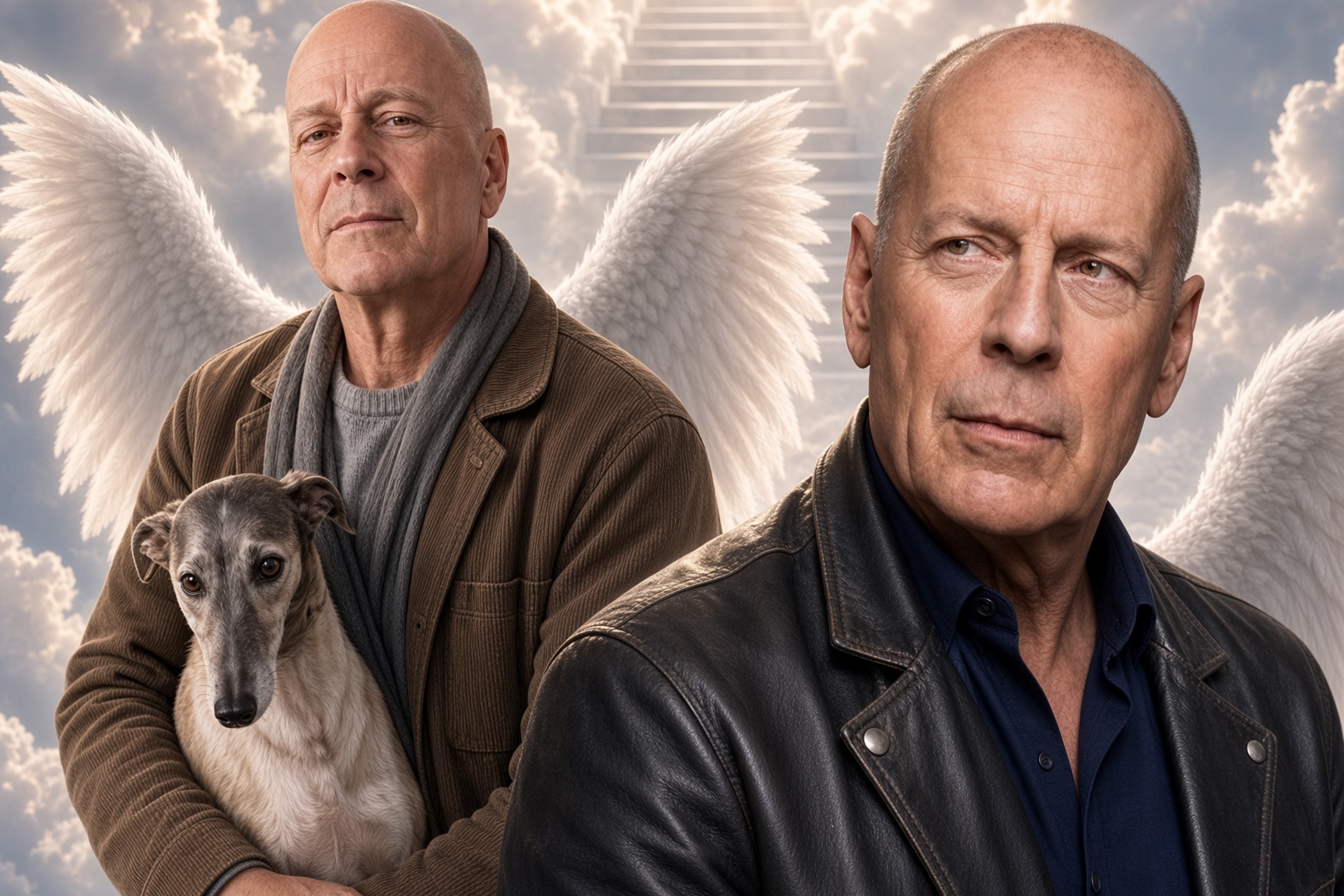
**Bruce Willis’s career recast the modern movie hero. Illness has ended the public chapter of that work. The films remain.**
Bruce Willis helped redefine what an action star could look and sound like: tough without invincibility, funny without draining the stakes, and vulnerable without giving up command of the scene. Frontotemporal dementia has withdrawn him from public life and closed his acting career. Fans have answered by returning to the performances that made him feel familiar across decades. This is not a death notice. It is an accounting of a career illness forced him to leave, and of a body of work that still holds.
Willis first became a major star on television. On *Moonlighting*, his rapid delivery and chemistry with Cybill Shepherd showed a gift for comedy that did not flatten into shtick. David Addison was confident, irritating, charming and emotionally exposed, often in the same exchange. The series proved Willis could carry fast talk and romantic tension with an energy that felt unscripted.
Then came *Die Hard* in 1988. John McClane was not the polished, heavily armed figure audiences had been trained to expect. He was a tired New York cop with a strained marriage, no shoes and no plan for a terrorist siege. He felt pain, made mistakes, got scared and kept moving. Willis’s sarcasm did not cancel the danger; it became a way for the character to manage fear. The performance reset expectations for action leads and made Willis an international star.
The sequels followed, but the career was never only explosions. In *The Sixth Sense*, he played child psychologist Malcolm Crowe with restraint and sadness. The film’s famous twist works because Willis does not treat the role as a device. He plays a man trying to repair a failure, help a frightened boy and understand the distance in his own marriage. *Unbreakable* offered another quiet turn. As David Dunn, he embodied a man discovering extraordinary strength while living with depression and the sense that his life had gone wrong. The part depended on silence, physical presence and uncertainty rather than wisecracking confidence.
His filmography moved across genres with unusual freedom: *Pulp Fiction*, *12 Monkeys*, *The Fifth Element*, *Death Becomes Her*, *Armageddon*, *Looper*, *The Last Boy Scout*, *Sin City* and many others. Some roles were heroic, others comic, damaged, villainous or strange. Even in uneven pictures, Willis often brought a recognizable mix of weariness and determination. He was never nominated for an Oscar, yet he repeatedly anchored films in which co-stars were.
In March 2022, his family announced he was stepping away from acting after an aphasia diagnosis affected his communication. In February 2023 they shared a more specific diagnosis of frontotemporal dementia, or FTD, through the Association for Frontotemporal Degeneration. The condition can affect language, behavior, judgment and personality. Family members have since said his form is linked more to language than to memory loss of the kind commonly associated with Alzheimer’s. They have asked that public attention support awareness and research rather than speculation about private medical details.
Emma Heming Willis, Demi Moore and Willis’s five daughters have presented a united family. Public updates have stressed love, adaptation, caregiving and meeting him where he is. Relatives have said he still recognizes them and that connection remains. In 2026, Heming Willis and the AFTD launched the Emma & Bruce Willis Fund for dementia research and caregiver support. The family has also spoken about the realities of progressive disease: communication changes, professional care as needs increase, and the work of keeping life steady for younger children.
Fans should treat sensational posts that imply a death or sudden medical crisis without confirmation as unreliable. Willis is living with a serious illness. His family is entitled to accuracy and privacy. A responsible tribute can acknowledge grief for the performer he once was without declaring that the person himself is gone. His life is not only a list of symptoms, just as his career is not only a list of action set pieces.
The films are still there. McClane still crawls through the ventilation shaft. Crowe still listens to a child no one else understands. Dunn still steps into the rain. Willis gave those moments humor, fear, tenderness and stubborn life. Illness ended his career. It cannot erase the connection audiences formed with the work. The fitting response is gratitude for the decades he spent making impossible heroes feel human.