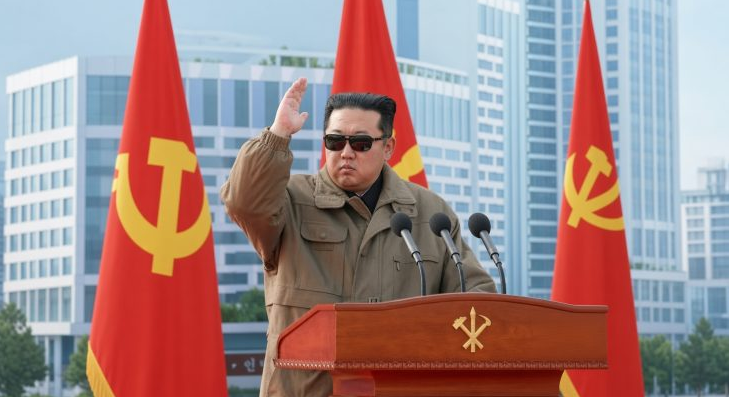
Viral reports alleging that South Korea had issued orders to launch a military attack against another country have been confirmed false, according to authorities.
The unsubstantiated claims circulated rapidly across social media and fringe websites, triggering public concern despite a lack of credible evidence. South Korean officials categorically denied the reports, stating that no offensive military orders had been issued. The government reaffirmed its commitment to regional stability, national defense, and ongoing diplomatic engagement while continuing to monitor security developments.
The incident highlights the dangers of misinformation in the digital age. Sensational headlines and algorithm-driven amplification can accelerate the spread of unverified claims, potentially causing unnecessary panic and undermining public confidence during periods of heightened geopolitical tension.
Media analysts recommend verifying major developments through reputable news organizations before sharing information. Established outlets such as the Associated Press, Reuters, and the BBC maintain editorial standards and fact-checking procedures designed to help distinguish verified reports from unsubstantiated claims. Official government statements can also provide important information about developing security situations.
As misinformation continues to challenge public discourse, experts stress the importance of responsible news consumption and critical thinking. Verifying information before sharing it can help limit the spread of false narratives and contribute to a better-informed public.