The justices turned down the Trump administration’s emergency request to halt proceedings in a lawsuit filed by the National Association of Immigration Judges. The 4th U.S. Circuit Court of Appeals had previously sent the case back to federal district court in Alexandria, Virginia, with instructions to examine whether federal employment law still applies as Congress originally intended.
What Happened
At the core of the dispute is a federal policy that prohibits immigration judges from speaking publicly about immigration policy or criticizing the agency that employs them. The judges’ association sued in district court, arguing the restriction violates their First Amendment rights to free speech.
District Judge Leonie Brinkema initially dismissed the lawsuit, citing the Civil Service Reform Act, which typically requires federal employees to pursue employment disputes through an administrative review process rather than federal court. However, the 4th Circuit Court of Appeals reversed that dismissal and sent the case back for the district court to examine whether the administrative review system remains sufficiently independent from presidential influence.
The appeals court expressed concern that recent executive actions—specifically President Trump’s removal of the chair of the Merit Systems Protection Board and the Special Counsel—may have compromised the independence of the administrative process. These officials oversee federal employment disputes. The court suggested Congress may not have intended to block access to district court if the administrative system no longer operates independently.
The Reaction
Solicitor General D. John Sauer requested emergency intervention from the Supreme Court on December 5, arguing that unelected judges should not reinterpret unchanged statutes based on recent political events. He warned the ruling could create “destabilizing uncertainty” across multiple federal administrative processes beyond just employment disputes.
The judges’ association countered that if the administrative review system lacks independence from the president, Congress could not have intended to bar them from seeking relief in district court. They argued that limited fact-finding at the trial level would not harm the government’s interests.
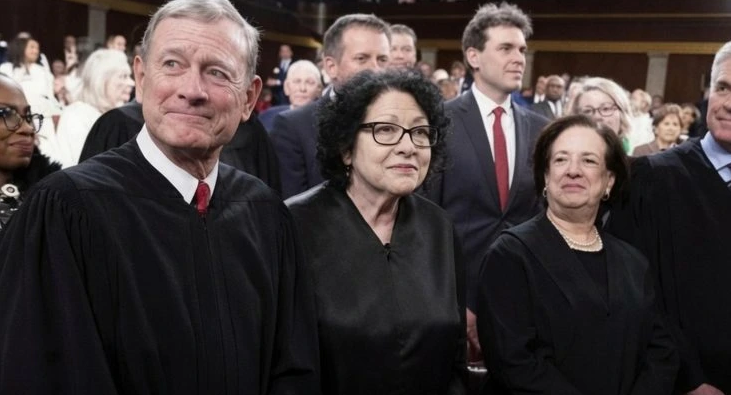
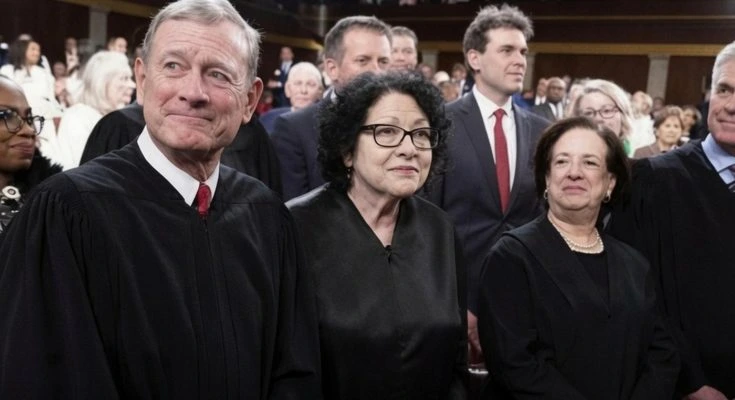
Chief Justice John Roberts temporarily paused the lower court proceedings while the full Court considered the administration’s emergency request. The justices’ decision to deny that request—issued Friday—lifted the pause and allowed the case to move forward.
What This Means
The Supreme Court’s action preserved the lower court’s path forward without definitively ruling on the merits of the underlying constitutional claim or the administrative law questions at stake. The Court noted that the administration could seek relief again once the district court completes its fact-gathering phase, keeping open the possibility of future Supreme Court review.
The case reflects broader tensions over presidential control of federal agencies and the mechanisms available to federal employees challenging government policies. Immigration judges have increasingly been at the center of contentious policy debates, with prior administrations also imposing restrictions on their public commentary about immigration enforcement.
As the district court prepares to examine the current state of the administrative review system, the outcome could affect how federal employees in other agencies challenge workplace policies and whether Congress’s original framework for internal dispute resolution continues to function as originally conceived.