Federal Intervention in Washington Sparks Debate Over Public Safety and Civil Liberties
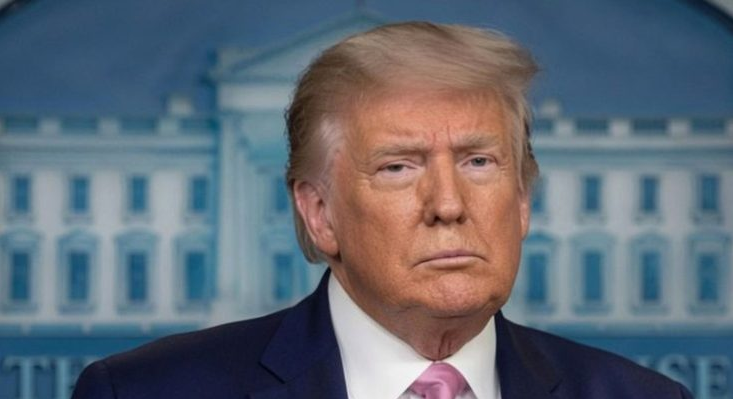
The federal government’s expanded role in Washington, D.C., under President Donald Trump has prompted renewed debate over public safety, local governance, and civil liberties.
The administration has described the intervention as a response to public safety concerns, with the stated goals of reducing violent crime, strengthening law enforcement, and improving coordination among federal agencies operating in the nation’s capital. In August 2025, Trump declared a crime emergency in the District and invoked federal authority to direct the use of the Metropolitan Police Department for federal purposes. The administration also ordered additional measures involving federal law enforcement and the D.C. National Guard.
Concerns Over the Broader Impact
Community advocates and civil rights organizations have raised concerns about the broader implications of an expanded federal law-enforcement presence. Their concerns include questions about oversight, accountability, the treatment of immigrant communities, and the relationship between federal authorities and Washington’s locally elected government.
Some residents have also expressed uncertainty about which agencies are responsible for particular operations and how federal activities are being coordinated with local officials.
The developments have renewed discussion about Washington, D.C.’s unique governmental structure. Although the District has an elected local government, Congress retains significant constitutional authority over the capital, creating a long-standing debate over the balance between federal oversight and local self-government.
Legal and political observers have noted that disputes over federal involvement in the District reflect broader questions about public safety, home rule, constitutional authority, and the appropriate division of responsibilities between federal and local governments.
As federal operations continue, officials, residents, and advocacy groups are monitoring their effects. The debate extends beyond crime statistics to include questions about constitutional authority, community confidence, accountability, and how law enforcement can be carried out while protecting civil liberties and respecting local governance.