Sensational North Korea-Trump headlines often outpace the facts
A wave of online posts claiming North Korea has issued a new, direct threat against President Donald Trump has circulated widely in recent days. The reports typically use urgent language and imply an imminent personal confrontation. A closer look at official statements and verified developments shows a more familiar pattern of tension rather than a sudden escalation.
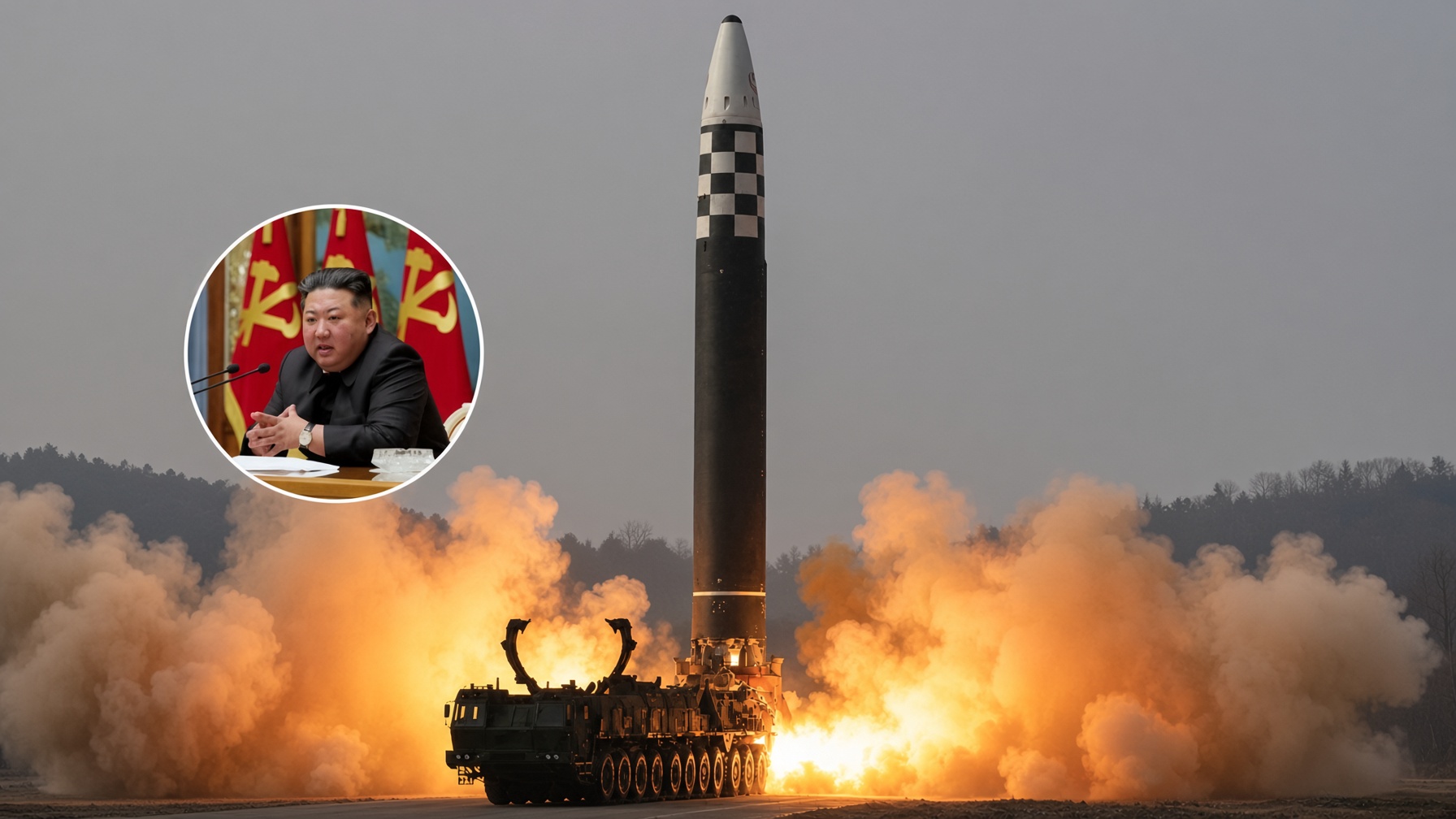
North Korea’s foreign ministry and state media have again denounced what they call the United States’ “hostile policy,” rejected calls for denuclearization, and pledged to strengthen the country’s nuclear forces. Those comments followed U.S. efforts to scale back certain joint exercises with South Korea and renewed talk of a possible Trump-Kim meeting later this year. Separately, South Korean and U.S. officials reported that North Korea fired several short-range ballistic missiles into waters off its east coast after a trilateral drill involving the United States, South Korea and Japan.
Such missile tests and rhetorical broadsides are consistent with Pyongyang’s long-standing response to allied military activity. They do not constitute a newly confirmed high-level declaration targeting Trump personally, nor do they amount to verified military action against the United States. Analysts note that North Korea has for years framed its nuclear program as a deterrent against what it describes as U.S. hostility, while leaving limited space for diplomacy.
The gap between viral headlines and the underlying record is common in fast-moving digital coverage of the Korean Peninsula. Prominent names and images of missiles travel farther than careful caveats. Readers often infer an acute crisis when the available evidence points instead to continuity: unresolved nuclear talks, periodic weapons tests, and competing public messaging from Washington and Pyongyang.
Reliable reporting still requires checking primary statements from KCNA, South Korean military briefings, and U.S. officials rather than relying on unattributed social posts. U.S.–North Korea relations remain tense and diplomatically stalled, but the latest public record does not support claims of a novel, direct threat of the kind some headlines suggest.