Fact-Checking the Viral Claim That Korea Ordered a Military Attack
Recent news headlines have caused widespread concern and confusion online, with claims that Korea has issued an order to attack another country. These reports spread rapidly across social media, prompting discussions, debates, and, in some cases, panic.
However, claims involving military action require careful verification. Before accepting or sharing such reports, it is important to examine official statements and reporting from reputable news organizations.
Understanding the Situation
The Claims
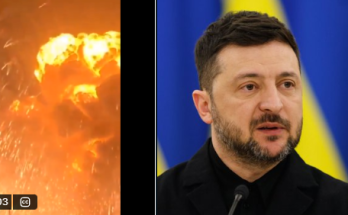
A viral story suggested that the Korean government had authorized a military strike against another nation, sparking fears of an escalating regional conflict. Social media posts and certain websites amplified the claim, often without providing credible sources or official statements to support it.
The Reality
According to the information described in the original reports, there is no verified evidence that the Korean government issued an order for such an attack. Claims of this nature should be treated cautiously unless they are supported by official government statements and multiple reputable news organizations.
South Korean authorities regularly monitor international and regional security developments and work with allies to address potential threats. However, monitoring a security situation or conducting routine military planning should not automatically be interpreted as evidence that an attack has been ordered.
Why False News Spreads So Quickly
False or misleading information, particularly about high-stakes subjects such as military conflict, can spread rapidly online. Several factors contribute to this:
Social Media Algorithms: Platforms can amplify sensational or emotionally engaging content, increasing its visibility regardless of whether the information is accurate.
Fear and Anxiety: Headlines suggesting imminent danger or conflict can trigger strong emotional reactions, encouraging people to share information before verifying it.
Clickbait Headlines: Some websites use dramatic or misleading headlines to attract attention and drive traffic, even when the underlying story does not support the headline’s implication.
Understanding these mechanisms can help people remain skeptical of unverified reports and reduce the spread of panic-inducing misinformation.
The Importance of Reliable Sources
When confronted with alarming news, it is important to verify the information through credible sources before drawing conclusions or sharing it.
Useful sources for international news include:
- Official government statements and press releases
- Established news organizations such as the Associated Press, Reuters, and BBC
- Reporting from experienced journalists covering international security and diplomacy
- Expert analysis from recognized scholars and specialists
Consulting multiple reliable sources can help readers distinguish between verified developments, speculation, and misinformation.
The Role of South Korean Officials
South Korean authorities regularly address regional security concerns through official statements, diplomatic engagement, and cooperation with international partners.
When evaluating claims about military action, readers should look for specific statements from relevant government agencies rather than relying solely on social media posts or anonymous accounts.
Important areas to monitor include:
- Official announcements concerning national security
- Confirmed developments involving the country’s armed forces
- Diplomatic discussions with allies and neighboring countries
- Statements addressing public safety and regional tensions
These sources provide considerably more reliable information than unsupported viral claims.
Public Reactions and Responsibility
When false or misleading reports emerge, public reactions can vary. Some people may become alarmed, while others may question the credibility of the sources spreading the information.
The public can help limit the spread of misinformation by:
- Avoiding the immediate sharing of sensational headlines
- Checking multiple reputable sources before reacting
- Looking for the original source of a claim
- Distinguishing confirmed reports from speculation
- Encouraging others to verify information before sharing it
Responsible news consumption can reduce confusion and contribute to a more informed public discussion.
Lessons From Viral False Reports
The incident highlights broader lessons about today’s rapidly changing information environment.
Critical Thinking Is Essential: Not every viral headline represents a verified fact. Readers should take time to examine the source, evidence, date, and context of a story.
Trust Credible News Organizations: Established news organizations generally have editorial and verification processes that can provide greater context and accountability.
Avoid Amplifying Fear: Sharing alarming information without confirmation can contribute to unnecessary public anxiety.
Stay Informed: Accurate and carefully verified information allows people to understand events without being misled by sensational claims.
By applying these principles, readers can navigate fast-moving news cycles more carefully and avoid becoming part of the misinformation cycle.
The Global Context
Regional tensions in East Asia are frequently the subject of international attention. South Korea, like other governments in the region, monitors developments that could affect national and regional security.
At the same time, it is important to distinguish confirmed military activity from rumors, speculation, and misinformation.
Several principles are particularly important when evaluating claims about potential conflict:
- Diplomatic channels are frequently used to address international disputes.
- Military actions are subject to established procedures and should be verified through reliable reporting.
- Routine military preparedness or security planning does not necessarily mean that an attack has been ordered.
- Public speculation should not replace verified information from credible sources.
Understanding this broader context can help prevent misconceptions about the intentions and policies of governments.
Conclusion
The viral claim that Korea has ordered a military attack should not be accepted without reliable evidence and confirmation from authoritative sources. Claims of imminent military action are particularly serious and should always be checked against official statements and reporting from multiple reputable news organizations.
This situation serves as a reminder of the importance of:
- Consulting reliable news sources
- Checking claims before sharing them
- Remaining calm in response to sensational headlines
- Distinguishing verified facts from viral rumors
- Considering the source, evidence, and context behind a story
In a world where information travels faster than ever, responsible consumption and sharing of news are essential. By approaching sensational claims critically and relying on credible sources, readers can stay informed while avoiding unnecessary fear and confusion.