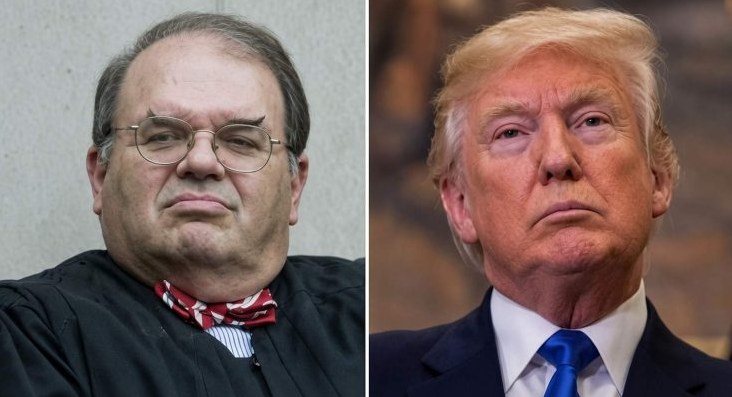
Another day, another federal court ruling involving what critics of the Trump administration describe as activist judges and a politically charged challenge to President Donald Trump’s military policies.
On Monday, a federal appeals court ruled 2–1 that portions of the Trump administration’s policy restricting transgender people from serving in the military were unlawful.
The court also concluded that the policy appeared to contain “animus” toward transgender people.
The court found that the policy was unconstitutional at this stage of the proceedings and stated that it “appears to be driven by the bare desire to harm a politically unpopular group.” It also described the policy advanced by Defense Secretary Pete Hegseth as “arbitrary and based upon animus.”
“The record shows that the purpose of the Hegseth Policy is to target applicants and servicemembers who express what the Administration believes is a ‘false gender identity,’ and the Policy goes far beyond disqualifying persons currently or recently suffering from gender dysphoria,” the decision states.
Here’s another justification: The military has spent years working to combat sexual harassment and assault. Critics of the ruling argue that allowing transgender people to serve raises questions about military standards, readiness, and the policies governing personnel.
There is also a broader argument to consider: Military service is not a constitutional right that every person is automatically entitled to exercise. The armed forces impose numerous medical, physical, and professional standards on prospective and current service members.
What’s next—could courts be asked to determine whether people with diabetes or heart disease should be allowed to serve? Or whether physical standards unfairly discriminate against people who are overweight?
Those questions illustrate the broader debate over how much authority courts should have to review military personnel policies and how much deference should be given to military and executive officials.
In any event, the appeals panel did not block the administration from enforcing its restrictions against people seeking to join the military. The court maintained protection for the current transgender service members who were plaintiffs in the case while allowing the administration to continue restricting new transgender recruits for the time being.