Viral Claims About a Korean Military Attack: What the Facts Show
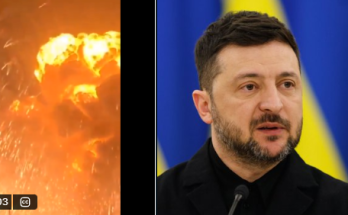
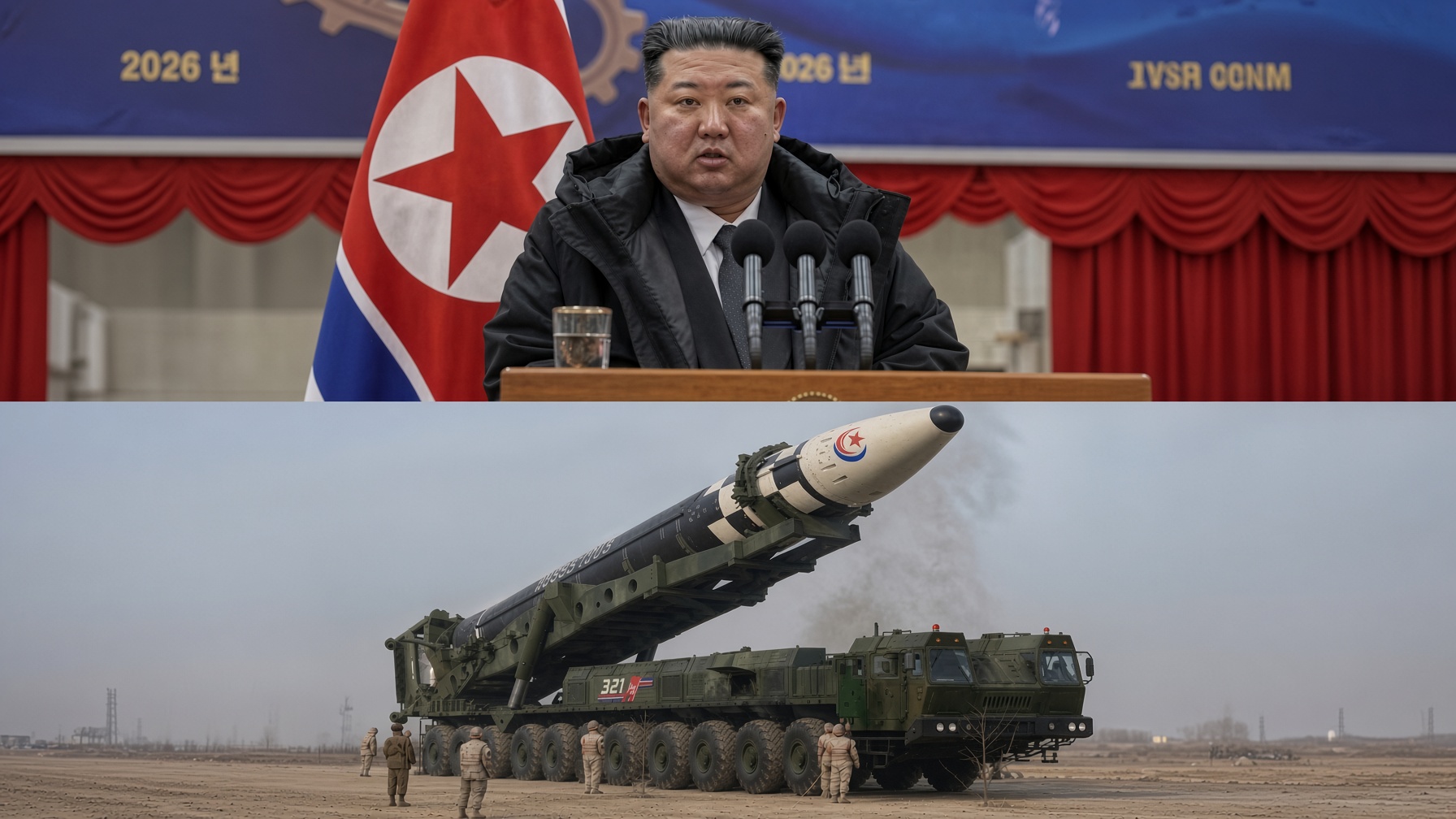
Recent headlines circulating online have caused widespread concern and confusion, with claims that Korea has issued an order to attack another country. The reports spread rapidly across social media, prompting heated discussions and, in some cases, public anxiety.
However, available reporting and official statements do not support the claim that South Korea has issued such a military order. No credible evidence has been presented to substantiate the viral reports.
Addressing misinformation promptly is important because false reports about military action can have serious consequences, ranging from unnecessary public anxiety to the spread of harmful rumors. Understanding the facts, sources, and context surrounding alarming headlines is essential in today’s fast-moving news environment.
Understanding the Situation
The Claims
The viral story suggested that the South Korean government had authorized a military strike against another country, raising fears of a broader regional conflict. Social media posts and some websites amplified the allegation, often without providing credible sources or official statements to support it.
The Reality
Available information from official channels and reputable news organizations does not indicate that South Korea has issued a military order matching the claims circulating online.
South Korean authorities continue to monitor international and regional security developments while emphasizing public safety, national security, and regional stability. There is no credible evidence in the information reviewed that a planned attack corresponding to the viral claim has been announced.
How Misinformation Spreads
False or misleading information, particularly about high-stakes issues such as military conflict, can spread rapidly online. Several factors can contribute to this:
- Social media algorithms: Sensational or highly engaging content can receive increased visibility, regardless of whether it is accurate.
- Fear and anxiety: Reports suggesting an imminent threat or conflict can trigger strong emotional reactions, encouraging people to share information before verifying it.
- Clickbait headlines: Some websites use dramatic headlines to attract attention and increase traffic, even when the underlying claims are unsupported or misleading.
Understanding these mechanisms can help people evaluate unverified reports more carefully and reduce the spread of panic-inducing misinformation.
The Importance of Relying on Trusted Sources
When confronted with alarming news, readers should verify the information through reliable sources before sharing or reacting to it. Useful sources include:
- Official government statements and press releases
- Reputable international news organizations such as the Associated Press, Reuters, and BBC
- Analysis from recognized experts in international relations and security
Consulting multiple credible sources can help readers distinguish verified developments from speculation, rumors, and misleading social media posts.
The Role of South Korean Officials
South Korean authorities regularly address regional security developments through official statements and communications. When tensions arise, officials may discuss diplomatic efforts, cooperation with allies, military readiness, and measures intended to protect the public.
Key priorities can include:
- Monitoring international developments and assessing potential security threats
- Providing accurate information to the public
- Maintaining communication and coordination with allies and neighboring countries
- Using diplomatic channels to address regional tensions
These efforts demonstrate why official statements and verified reporting are important when evaluating claims about military action.
Public Reactions and Responsibility
When alarming reports emerge online, public reactions can vary. Some people may become concerned or frightened, while others may question the credibility of the reports.
The public can help limit the spread of misinformation by:
- Avoiding the immediate sharing of sensational claims
- Checking multiple reputable sources before drawing conclusions
- Looking for official statements or primary-source evidence
- Helping friends and family recognize misleading or unsupported information
Responsible news consumption and sharing can reduce confusion and contribute to a more informed public discussion.
Lessons From Viral False Reports
The episode highlights several broader lessons about today’s information environment:
- Critical thinking is essential: A dramatic headline does not necessarily represent a verified fact.
- Use credible news sources: Established news organizations generally have verification and editorial processes that can help distinguish confirmed information from rumors.
- Avoid amplifying fear: Sharing alarming claims without confirmation can increase unnecessary public anxiety.
- Stay informed through reliable information: Accurate reporting helps people make informed decisions without being misled by viral content.
By applying these principles, readers can better navigate rapidly changing news cycles and avoid being influenced by unsupported claims.
The Broader Regional Context
Security developments in East Asia frequently receive international attention because of the region’s complex political and military environment. South Korea monitors these developments closely and maintains security relationships with its allies.
At the same time, it is important to distinguish documented military activity from speculation or misinformation circulating online.
Several principles are particularly important:
- Diplomatic channels remain an important means of addressing international tensions.
- Military decisions are subject to established governmental and operational procedures.
- Public speculation should not be treated as a substitute for verified reporting.
- Official statements and credible reporting should be consulted before drawing conclusions about a government’s intentions.
Understanding this broader context can help prevent misunderstandings about South Korea’s security policies and regional objectives.
Conclusion
The viral claim that South Korea has ordered a military attack against another country is not supported by credible evidence based on the information reviewed. No verified announcement has established that such an attack has been ordered.
The situation is a reminder of the importance of:
- Consulting reliable news sources
- Checking official statements
- Avoiding the spread of unverified claims
- Remaining calm when confronted with sensational headlines
- Distinguishing verified facts from online rumors
In an environment where information can spread around the world within minutes, responsible news consumption is more important than ever. By checking sources, considering context, and avoiding the immediate sharing of unverified claims, readers can stay informed without contributing to unnecessary fear or confusion.