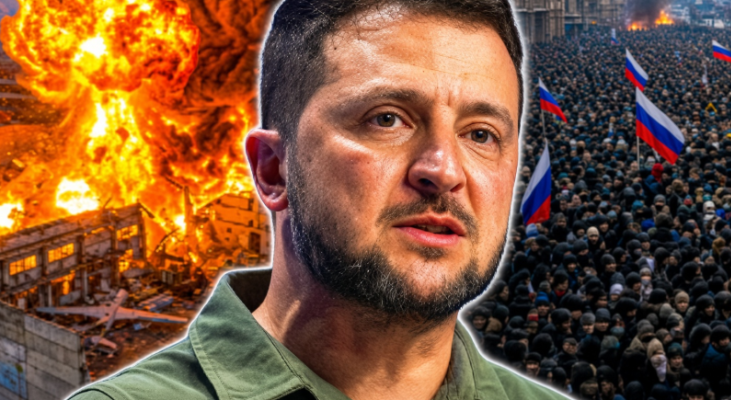
Ukrainian Drone Strikes Highlight Potential Weaknesses in Russia’s Military Defenses
Ukraine’s expanding use of drones has become a significant feature of the war, creating challenges for Russian forces across the battlefield and potentially exposing vulnerabilities in air defense, logistics, and critical infrastructure. Long-range unmanned aircraft can threaten targets far behind the front lines, while smaller tactical drones can disrupt troop movements, damage equipment, and complicate supply operations.
One of the central challenges for Russia is the need to protect an enormous territory and a wide range of military and industrial facilities. Air-defense systems must distinguish incoming threats from other objects, respond quickly, and allocate limited resources across competing priorities. Repeated drone alerts can also disrupt transportation and industrial activity even when incoming aircraft are intercepted.
Ukraine’s approach increasingly combines relatively inexpensive drones with intelligence gathering, coordinated flight paths, and attacks on strategically important targets. This can force Russia to expend ammunition, reposition defensive systems, and devote personnel to protecting locations far from active combat zones. However, the effectiveness of individual operations depends on factors such as interception rates, target damage, repair times, and the availability of replacement equipment.
Russia has also adapted by strengthening defenses, improving electronic warfare capabilities, and adjusting security around important installations. The ongoing contest therefore involves more than the number of drones launched or targets reportedly struck.
Determining Russia’s most significant vulnerabilities requires examining verified attack records, independently assessed damage, and the operational consequences of each strike. While Ukrainian drone operations can impose substantial costs and complicate Russian military planning, broader claims of systemic weakness should be evaluated against reliable evidence rather than individual battlefield reports alone.