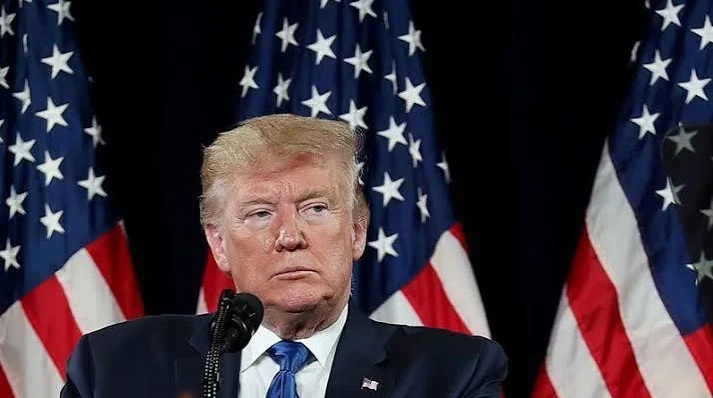
The debate has no clear resolution yet. Some Democratic lawmakers view a formal inquiry as a constitutional responsibility, while others worry that impeachment could overshadow bread-and-butter issues voters prioritize during elections. The tension reflects deeper disagreements about strategy, timing and the practical limits of congressional power.
What Happened
Discussion of impeachment has quietly returned as Democrats map out what a House majority could accomplish. The party is weighing three paths: launching formal investigations into alleged presidential misconduct, moving toward impeachment, or concentrating on legislation and oversight without pursuing removal. No formal decision has been made, and opinions vary significantly among senior lawmakers.
The mathematical reality of impeachment shapes this debate before any formal vote exists. The House can impeach by simple majority, but conviction and removal require a two-thirds Senate vote. Trump faced impeachment twice during his first term and remained in office both times—a history that informs current Democratic calculations.
Rep. Jamie Raskin, a senior Democrat likely to influence House Judiciary Committee priorities, has argued that investigating alleged abuses of power is the House’s responsibility. Other Democrats support investigations but question whether impeachment itself represents the most effective course of action. The distinction matters: an inquiry can produce subpoenas, hearings and a public record without necessarily leading to removal.
The Reaction
Progressive Democrats have been more receptive to impeachment as a mechanism for establishing constitutional accountability. Their argument centers on the idea that investigations and policy work need not be mutually exclusive. Party leadership, however, would still need to determine how much institutional time and resources to devote to the process.
Other senior Democrats have raised practical concerns. Former figures in Democratic circles have publicly favored investigation over impeachment, warning that a removal effort could become a partisan fight with limited tangible results. The worry is that impeachment could dominate news cycles and congressional bandwidth without achieving the two-thirds Senate supermajority required for conviction—particularly if Republicans control the upper chamber.
These divisions reflect a broader tension within the party. Democrats are campaigning on healthcare, inflation and restoring congressional oversight of the executive branch. An extended impeachment process could energize voters demanding accountability, but it also risks reinforcing Republican arguments that Democrats are fixated on Trump rather than practical governance.
What This Means
The timing of this debate matters. No House majority exists yet, and no impeachment vote is scheduled. Democrats face an election first; the strategic conversation depends entirely on winning control. If the party gains the House, its leadership would confront real choices about how to balance investigations, oversight and lawmaking in a closely divided Congress.
For voters and candidates, the debate raises two separate questions: what conduct Democratic lawmakers believe warrants congressional scrutiny, and what they would prioritize once in office. Those answers will reveal whether Democrats see impeachment as a legal remedy, a political liability, or some combination of both.
The weeks ahead will test whether Democrats can build consensus around a governing agenda, or whether impeachment—a tactic that failed to remove Trump twice before—will resurface as a defining feature of party messaging as candidates seek House support.