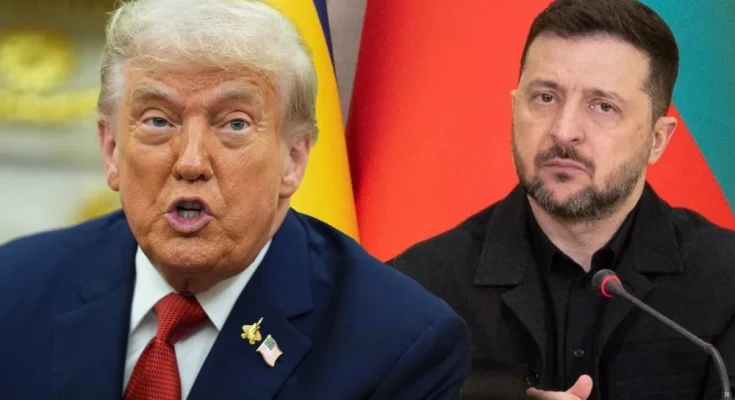
Trump’s demand came during a Saturday press appearance where he accused Zelensky of repeatedly squandering opportunities to negotiate an end to Russia’s invasion. The timing underscored a deepening divide between the U.S. and Ukrainian leadership over military strategy and the conditions for ending the conflict.
The U.S. administration had announced Friday that Russia would initially supply more than 300,000 tons of diesel, with additional shipments planned for coming weeks. Treasury simultaneously issued a six-month license easing sanctions on certain Russian fuel deliveries—a reversal of Trump’s own sanctions law targeting Moscow’s energy revenues, signed just one month prior.
What Happened
Trump criticized Zelensky over Ukraine’s strikes on Russian oil refineries, stating they were driving up diesel prices in the United States. “I think it’s time for Ukraine to get a new president,” Trump told reporters, framing the leadership change as necessary for achieving peace.
The diesel arrangement represented a significant policy shift. The administration argued that increasing fuel supplies would help address global energy prices that have climbed amid disruptions tied to the war. However, energy analysts questioned whether redirecting existing Russian supplies would meaningfully expand worldwide diesel availability or simply shift which nations receive Moscow’s fuel exports.
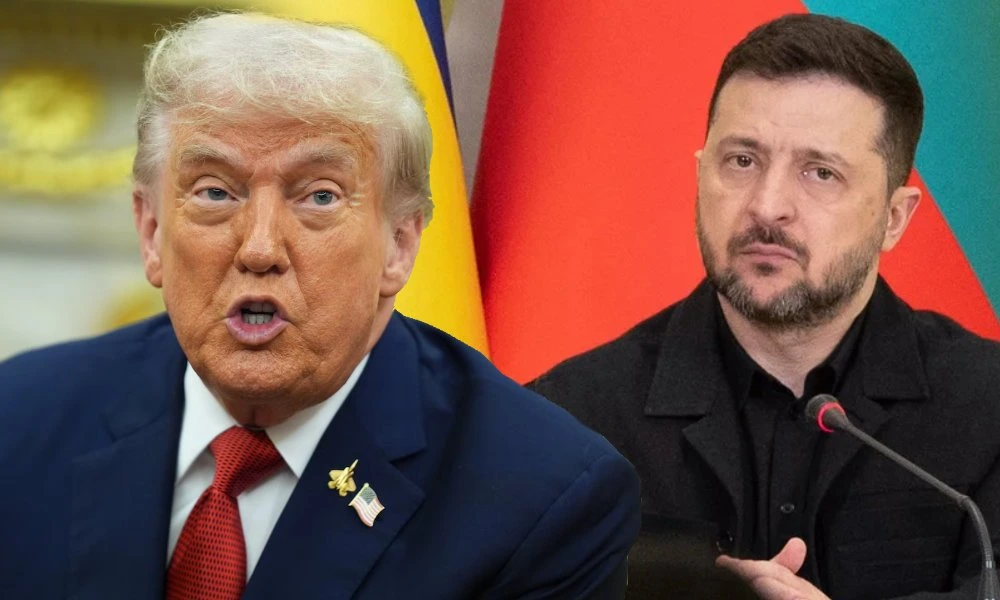
Zelensky had not been informed before Trump’s announcement, according to Ukrainian officials. The Ukrainian president responded sharply, calling the arrangement “not fair and not honest” and describing it as a weak decision by Western partners that could allow Russia to continue funding its military campaign.
The diesel deal raised questions about the administration’s broader strategy toward Russia as diplomatic efforts aimed at ending the war continued. Trump has argued that Zelensky should have reached a settlement earlier and claimed Russia’s invasion would not have occurred had he been president in 2022.
The Reaction
Zelensky countered Trump’s criticisms by proposing a mutual halt to energy infrastructure attacks. On Sunday, the Ukrainian president said Kyiv would stop striking Russian oil refineries if Russia ceased targeting Ukrainian power plants and other energy facilities—a call for reciprocal restraint rather than unilateral Ukrainian compliance with Washington’s demands.
Ukrainian officials characterized the diesel deal as undercutting Kyiv’s negotiating position. They argued that easing sanctions on Russian fuel while pressuring Ukraine to restrict its military operations provided Moscow economic relief without securing meaningful concessions from the Kremlin.
The disagreement reflects a fundamental strategic divide. Trump’s administration is pressing Ukraine to halt certain military operations and pursue a settlement, while Zelensky maintains that any de-escalation must include corresponding Russian restraint. Ukrainian leaders worry that conditioning U.S. support on military restrictions while Russia continues offensive operations could leave Kyiv increasingly vulnerable.
The dispute also marked Trump’s direct intervention in Ukraine’s internal political affairs. By publicly calling for a change in leadership, Trump stepped into a question ordinarily decided through a nation’s own democratic processes. Ukraine remains under martial law, with national elections suspended due to wartime conditions.
What This Means
The confrontation between Washington and Kyiv signals a critical juncture in how the war may evolve. Trump’s willingness to ease restrictions on Russian energy while pressuring Ukraine on its military strategy suggests the administration may increasingly link future support to Ukrainian compliance with White House preferences on warfare tactics and settlement terms.
Zelensky’s counteroffer of mutual energy infrastructure restraint offers a potential compromise, though it remains unclear whether Trump would find such reciprocal arrangements acceptable. The full terms of the diesel deal—including payment mechanisms and actual market impact—have not been disclosed, leaving uncertainty about its real economic effects on global fuel prices.
For Ukraine, the immediate calculus centers on whether Washington’s support remains conditional on Kyiv’s military strategy or remains tied to defending against Russian aggression. As Russian forces conducted fresh attacks on southeastern cities over the weekend, killing at least 20 people in Zaporizhzhia, the human cost of the conflict underscored the stakes in the diplomatic disagreement unfolding between Washington and Kyiv.