The recent visit of King Charles III provided a striking backdrop for a broader examination of Donald Trump’s public image, political rhetoric, and relationship with Melania Trump. While Trump continues to project an image of strength and confidence, his public interactions with the First Lady have often attracted intense scrutiny. His criticism of comedians such as Jimmy Kimmel, particularly when comments concern Melania, has also fueled debate over the limits of political criticism and the role of public figures in responding to satire.
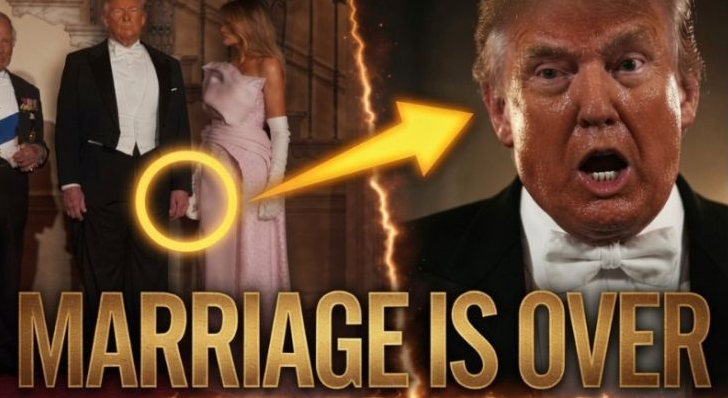
During the state banquet at Windsor Castle, the contrast between the formal expectations of a royal occasion and the highly personalized style of Trump’s public appearances was evident. Trump spoke about his parents’ long marriage, while Melania’s expressions and body language drew considerable attention from observers and social-media users. However, such reactions are open to interpretation and do not, by themselves, establish what either spouse privately thinks or feels.
King Charles III, meanwhile, occupied the traditional diplomatic role expected of a visiting monarch. His remarks emphasized the longstanding relationship between the United States and the United Kingdom, as well as their shared history, independence, liberty, and cooperation. In his toast, Charles directly addressed both President Trump and First Lady Melania Trump and expressed support for the continuing relationship between the two countries.
The visit also highlighted the importance of the broader U.S.-U.K. relationship. Rather than serving simply as a backdrop for personal or political tensions, the state visit provided an opportunity for both countries to emphasize their historical ties and continuing cooperation. Official White House accounts described the banquet as part of a state visit centered on the enduring strategic and cultural partnership between the two nations.
Much of the commentary surrounding the visit has focused on Trump’s political positions, his approach to international relations, and his interactions with other world leaders. Those subjects remain matters of political debate, while interpretations of body language, marital dynamics, or private motivations are inherently more uncertain.
Ultimately, the Windsor visit brought together diplomacy, ceremony, politics, and intense public scrutiny. The images and speeches generated competing interpretations of Trump, Melania, and the broader direction of American foreign policy. Separating what was publicly documented from what is inferred or speculated is essential when assessing the significance of the event.